
You invested in a beautiful awning to enhance your outdoor living space, expecting years of reliable shade and protection. But what happens when things don’t go as planned? A sagging corner, a mysterious drip, or a motor that refuses to respond can quickly turn your oasis into a source of frustration. The good news is that many common awning performance issues have straightforward diagnoses and solutions. As an installer with years of experience, I’ve seen it all, and most problems are fixable without a major overhaul. This guide will walk you through the most frequent troubles homeowners face with their polycarbonate and aluminum awnings, providing clear, actionable steps to get your outdoor cover back in top shape. Understanding the root cause is the first step to a lasting repair.
Diagnosing Structural and Water Issues
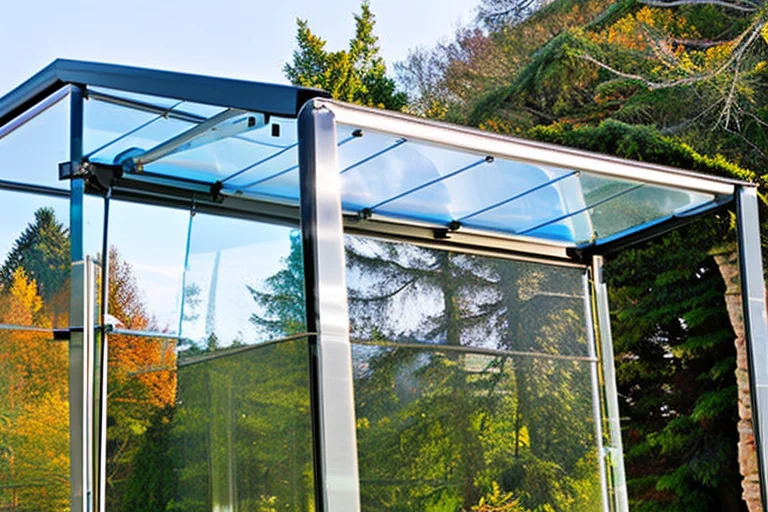
Structural integrity and water management are the bedrock of any awning’s performance. When these systems fail, the problems are often visible and demand prompt attention. The most common structural complaint is sagging or bowing. For polycarbonate panels mounted on an aluminum frame, this usually points to one of three culprits: inadequate support brackets, frame fatigue, or improper initial installation. Over time, the constant load, combined with seasonal expansion and contraction, can stress mounting points. First, inspect all support arms and wall brackets for loose fasteners. Tighten any bolts or screws, but be careful not to overtighten and strip the threads in the aluminum. If the frame itself is bent, it may have sustained wind damage and require a professional assessment for straightening or replacement.
Water pooling or leaking is another major headache. Polycarbonate is naturally waterproof, so leaks almost always occur at connection points. Check where the panels meet the frame and where the frame meets your home’s siding or gutter system. Old or cracked sealant is the usual suspect. Carefully remove the failing sealant with a plastic scraper, clean the area thoroughly with rubbing alcohol, and apply a fresh bead of high-quality, UV-resistant polyurethane sealant. For premium aluminum gutter solutions, ensure the integrated drip edge is clear of debris and is properly angled to channel water away from your foundation. A clogged gutter or downspout attachment can cause water to back up and seep underneath the awning’s header bar.
Fixing Operational and Mechanical Failures
When your retractable awning won’t extend, retract, or makes awful noises, the issue is typically mechanical or electrical. For manual models with a crank handle, resistance or grinding sounds often mean the internal gearbox is dirty or needs lubrication. Use a silicone-based lubricant specifically designed for awning mechanisms, avoiding WD-40 as it can attract more dirt. If the crank spins freely without moving the rafters, the internal worm gear may be stripped, requiring a replacement gearbox kit.
Motorized units add convenience but also complexity. If the motor is completely dead, first check the obvious: is the power outlet working? Is the fuse in the plug intact? Next, inspect the remote control batteries. Many “motor failures” are just dead batteries. If power is confirmed, listen for a faint hum when you press the button. A humming motor that doesn’t move often indicates a bound-up or obstructed awning fabric or frame. Immediately stop and manually check the entire system for sticks, leaves, or other debris in the lateral arms. For persistent electrical issues, the problem could lie in the wiring or the control board, which is best handled by a technician to avoid voiding warranties or causing further damage.
Addressing Maintenance and Environmental Damage
Daily exposure to sun, rain, wind, and pollen takes a toll. Proper maintenance isn’t just about looks; it prevents performance degradation. Polycarbonate panels can become hazy or stained. Never use abrasive cleaners or rough pads, as they will scratch the surface. Instead, use a mild soap solution, a soft microfiber cloth, and rinse thoroughly. For tough stains like sap or bird droppings, a diluted vinegar solution can be effective. Always clean with the grain of the panel to prevent streaking. For the aluminum framework, a wash with soapy water and an occasional application of a automotive wax can help protect the finish and prevent oxidation.
Wind is the natural enemy of awnings. Even if your awning is rated for high winds, it should always be retracted in severe weather. If you find your awning has been damaged by wind, safety is the first priority. Secure it in place to prevent further movement. Assess for bent arms, torn fabric, or dislodged panels. Minor bends in aluminum can sometimes be carefully straightened, but significant distortion compromises structural integrity and means the component should be replaced. A torn polycarbonate panel is not repairable and must be swapped out to maintain weather resistance. Regular inspection of tension in retractable systems and the tightness of all hardware is your best defense against wind-related failures.
Preventative Care and Knowing When to Call a Pro
The best troubleshooting is the kind you never have to do. Establishing a simple biannual maintenance routine can save you immense trouble. In spring, check all moving parts, lubricate pivot points with silicone spray, inspect sealant, and give everything a good cleaning. In fall, clear all debris from the top of the awning and gutters, ensure it’s dry before winter storage if retractable, and double-check the tightness of wall anchors. Keep trees trimmed back to minimize abrasive contact and debris accumulation.
However, some situations clearly call for professional expertise. If you suspect structural damage to your home’s fascia or mounting surface, if there are complex electrical faults in a motorized system, or if you need a complete re-fabrication, it’s time to call in the experts. Attempting major structural or electrical repairs without proper knowledge can lead to injury, further property damage, and will likely void any existing warranty. A professional can also provide an assessment on whether repair or full replacement is the more economical long-term choice. For those considering a new installation or a major replacement, proper DIY awning installation planning is crucial to avoid common pitfalls from the start.
Don’t let awning troubles overshadow your outdoor enjoyment. With the insights from this guide, you’re equipped to tackle most common performance issues confidently. Remember, consistent care is the key to longevity. For more detailed guides, product specifications, or if your issue requires a professional touch, our resources are here to help. Contact Our Awning Experts Today for personalized advice, or Browse Our Complete Polycarbonate Awning Collection to explore upgrade options and replacement parts designed for durability and ease of maintenance.