
Imagine stepping outside on a sunny afternoon, relaxing under your new polycarbonate awning that you installed yourself. That sense of accomplishment and the practical benefits of added shade and weather protection make awning projects incredibly rewarding for DIY enthusiasts. But before you can enjoy that moment, you need to master the most critical phase: proper measurement and planning. Getting this right means the difference between a professional-looking installation that lasts for years and a project that becomes frustrating and costly. Let’s walk through the essential steps to ensure your awning project starts on the right foot.
Understanding Your Space and Requirements
Before you even pick up a tape measure, take time to understand what you want your awning to achieve. Are you looking to create shade for a specific window to reduce cooling costs? Do you need coverage for a doorway to keep rain away from your entrance? Or perhaps you want to create an outdoor living space on your patio or deck. Each purpose might require slightly different measurements and awning styles. Consider how much sun exposure the area gets throughout the day and which direction it faces – south-facing areas typically need more coverage than north-facing ones. Also think about seasonal changes; an awning that works perfectly in summer might need adjustment for winter sun angles.
Essential Tools for Accurate Measurement
You don’t need fancy equipment to measure for your awning, but having the right basic tools makes all the difference. A 25-foot metal tape measure is essential – avoid cloth tapes as they can stretch and give inaccurate readings. A quality level, preferably 24 inches or longer, will help you ensure everything is straight. Don’t forget a notepad and pencil to record your measurements, and consider taking photos of the area from multiple angles. If you’re measuring a second-story installation, a laser measure can be incredibly helpful for reaching high spots safely. Always measure twice (or even three times) to confirm your numbers before ordering materials.
Step-by-Step Measurement Process
Start by measuring the width of the area you want to cover. For window awnings, measure the entire window width including trim. For door coverings, measure the door width plus any sidelights. Add at least 6-12 inches on each side for proper coverage and aesthetic balance. Next, determine the projection – how far out from the wall you want the awning to extend. Standard projections range from 2-4 feet for windows and 4-8 feet for patio coverage. Consider local building codes which may limit how far structures can project from your home. Measure the height from where the awning will mount to the ground, ensuring adequate clearance for people and movement beneath it.
Accounting for Slope and Drainage
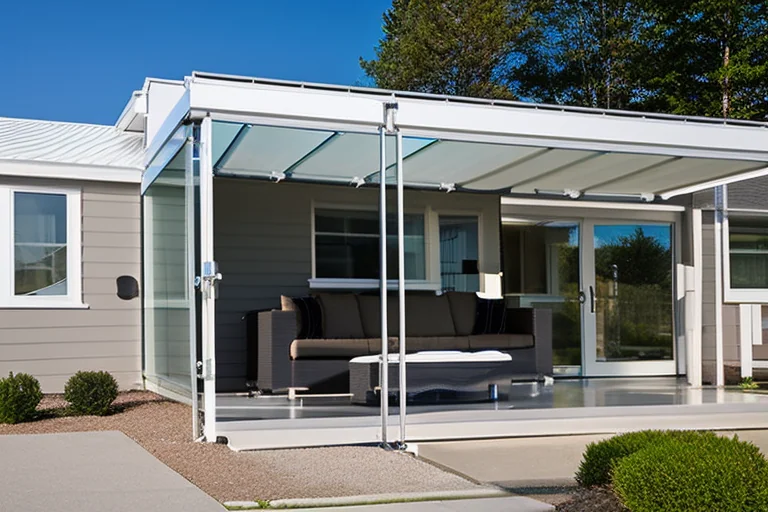
Polycarbonate awnings need proper slope to ensure water runoff. Plan for a minimum slope of 1 inch per foot of projection. This means if your awning projects 3 feet from the wall, the front edge should be 3 inches lower than the mounting point. Calculate this into your height measurements to avoid water pooling on the awning surface. Also consider where the water will drain – away from walkways, foundations, or neighboring properties. If you’re installing multiple awnings, ensure consistent slope angles for a uniform appearance.
Choosing Mounting Methods and Materials
The mounting method you choose depends on your wall material and awning size. For brick or concrete walls, concrete anchors provide the most secure attachment. For wood siding, lag bolts into studs offer strong support. Vinyl siding requires special mounting blocks to prevent damage and ensure water tightness. Consider the weight of your polycarbonate panels plus the frame – typically 2-4 pounds per square foot – when selecting hardware. For larger awnings (over 6 feet wide), additional support brackets or posts might be necessary. Always choose corrosion-resistant hardware, especially in coastal areas or regions with winter salt use.
Common Measurement Mistakes to Avoid
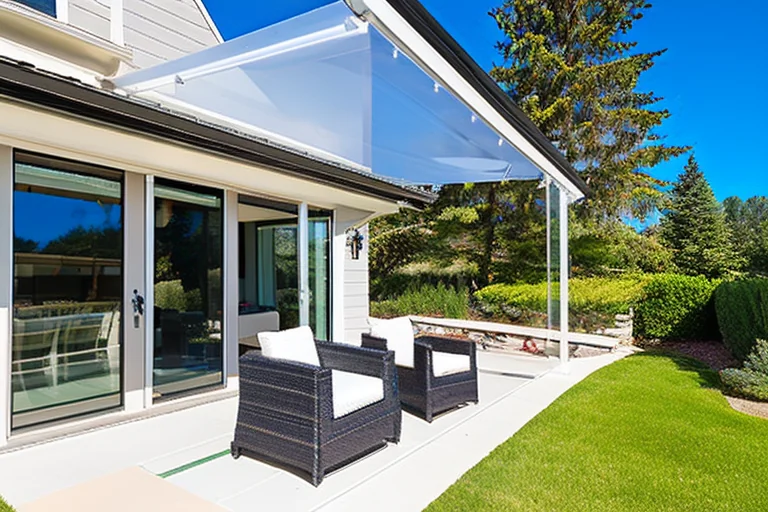
One of the most frequent errors DIYers make is measuring only at one point. Walls aren’t always perfectly straight, and windows aren’t always perfectly level. Measure at multiple points along the installation area and use the smallest measurement to ensure proper fit. Don’t forget to account for hardware and mounting brackets in your calculations – they add width beyond the awning frame itself. Another common mistake is forgetting to check for obstructions like light fixtures, outlet covers, or security cameras that might interfere with installation. Always look up too – gutters, eaves, and roof overhangs can affect mounting height and clearance.
Planning for Installation Day
Once you have your measurements confirmed, create a detailed installation plan. Schedule your project for a period of dry weather – you don’t want to be working on ladders in rain or high winds. Gather all tools and materials beforehand, including safety equipment like sturdy ladders, work gloves, and safety glasses. If you’re working with a partner, review the plan together before starting. Allow extra time for unexpected challenges – most DIY awning installations take 4-8 hours for a typical window or door covering. Have a contingency plan if you discover issues like rotten wood or unstable walls during installation.
Final Checks Before Ordering Materials
Before you place your order, double-check every measurement against the manufacturer’s specifications. Polycarbonate panels typically come in standard widths, so you may need to adjust your plans to avoid custom cutting. Verify that your chosen awning style matches your home’s architecture and that the color complements your exterior. Check local homeowner association rules if applicable, as some communities have restrictions on awning styles and colors. Finally, confirm that you’ve accounted for all necessary components – panels, framing, mounting hardware, sealants, and any optional features like lighting or motorized operation.
Proper measurement and planning might seem tedious, but it’s the foundation of a successful awning installation that you’ll enjoy for years to come. If you have any questions about your specific project or need guidance on unusual installation situations, don’t hesitate to Contact Our Awning Experts for personalized advice tailored to your home and needs.