
Investing in a new awning is a significant decision for any homeowner. It’s not just about enhancing your curb appeal or creating a comfortable outdoor space; it’s about making a long-term investment in your property’s value and functionality. While you’re likely focused on design, color, and immediate cost, the most critical factor for long-term satisfaction often lies in the fine print: the warranty. A robust warranty is your safety net, a promise from the manufacturer that they stand behind their product. But not all warranties are created equal. Understanding what to expect from quality awning warranties can mean the difference between decades of trouble-free enjoyment and a costly, frustrating experience. Let’s pull back the curtain on awning warranties, so you can shop with confidence and protect your investment.
The Anatomy of a Strong Awning Warranty
A comprehensive awning warranty isn’t a single document but a layered system of guarantees. The first and most important layer is the material warranty. For polycarbonate awnings, this typically covers the panels against defects like cracking, yellowing, or loss of light transmission for a specified period, often 10 years or more. High-quality multi-wall polycarbonate is renowned for its impact resistance and UV stability, and the warranty should reflect that confidence. The second layer is the finish warranty, which protects the color and coating on aluminum frames and components from peeling, chalking, or corrosion. This is especially crucial for coastal areas or regions with harsh weather. Finally, the structural warranty covers the integrity of the frame itself against manufacturing defects. When considering premium aluminum gutter solutions, look for warranties that explicitly cover the welded joints and load-bearing capacity. A quality provider will offer separate, clearly stated terms for each component, as they have different lifespans and failure modes.
What Quality Coverage Actually Looks Like
So, what separates a marketing gimmick from genuine protection? First, clarity. The warranty document should be written in plain language, not legalese. It should clearly define who is covered (the original purchaser), what is covered (specific parts and defects), and for how long. Pay close attention to whether the warranty is prorated or non-prorated. A non-prorated warranty means if your awning panel fails in year 8 of a 10-year warranty, you get a full replacement at no cost. A prorated warranty means you pay a percentage of the cost based on the awning’s age. Second, look for transferability. A warranty that can be transferred to a new homeowner if you sell your house adds significant value to your property. Third, consider the reputation of the company backing it. A warranty is only as good as the company that honors it. Research the manufacturer’s history and customer service reviews.
The Critical Role of Professional Installation
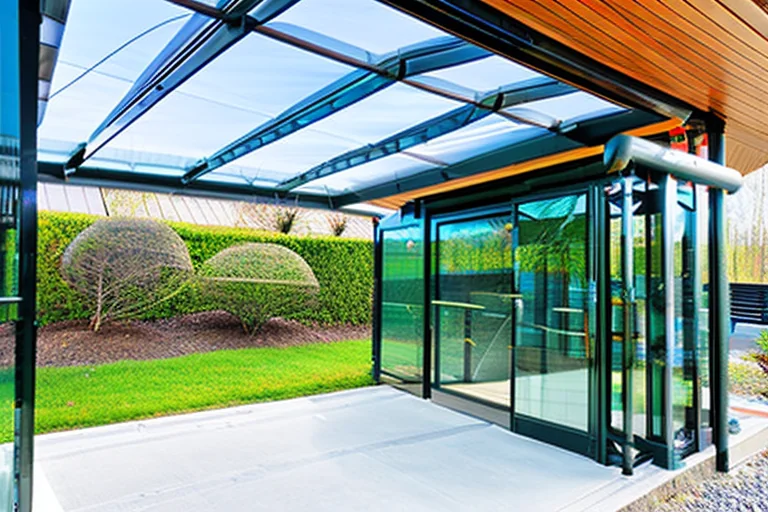
This point cannot be overstated: improper installation will void virtually every awning warranty on the market. Manufacturers design their products to perform under specific conditions and loads, but that performance is contingent on correct installation. This includes proper attachment to the home’s structure, correct slope for water runoff, secure fastening of all components, and adherence to local building codes. When you choose a certified, experienced installer, you’re not just paying for labor; you’re buying the validation of your warranty. The installer becomes a partner who understands the product’s requirements and ensures it is set up for success. Many reputable companies offer their own installation warranty, which covers workmanship for a period of one to several years, providing an additional layer of protection beyond the manufacturer’s material coverage.
Maintenance: Your Responsibility to Keep Coverage Active
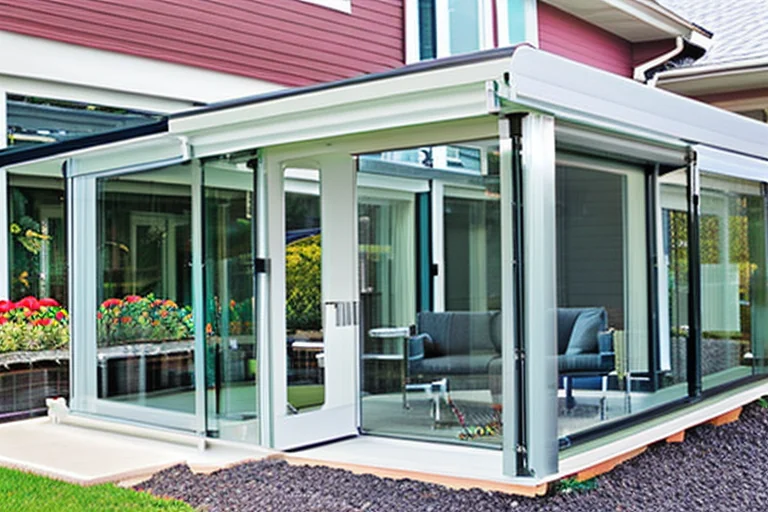
A warranty is a two-way street. The manufacturer guarantees their product against defects, but you, the owner, must guarantee basic care. Neglecting simple maintenance is the fastest way to nullify your coverage. For polycarbonate awnings, this typically means gentle cleaning with a soft cloth, mild soap, and water to prevent dirt buildup that can scratch the surface or degrade UV coatings. Avoid abrasive cleaners or high-pressure washers, which can cause micro-scratches. For aluminum frames, especially in gutter-integrated systems, ensuring that gutters and downspouts remain clear of debris is vital. Clogs can cause water to back up, placing undue stress on the structure and potentially leading to failure that won’t be covered. Your warranty document will have a “Care and Maintenance” section—read it thoroughly and follow it. Keeping a simple log of your cleanings can even be helpful if a warranty claim arises.
Navigating the Claims Process
If you suspect a defect covered under your warranty, don’t panic. The process is usually straightforward if you’re prepared. First, locate your original sales receipt and warranty documentation. Then, contact the installer or supplier where you purchased the awning. They will often act as your liaison with the manufacturer. Be prepared to provide photos or a video clearly showing the issue, your proof of purchase, and details about when the problem was first noticed. For significant structural concerns, the manufacturer may send an inspector. Understanding how design and durability intersect can help you articulate whether an issue is a cosmetic flaw or a performance defect. A reputable company will guide you through this process efficiently, as their goal is to maintain your satisfaction and uphold their brand’s reputation for quality.
Common Exclusions and Red Flags
Being aware of what is *not* covered is just as important as knowing what is. Standard exclusions in awning warranties include damage from “Acts of God” like hurricanes, tornadoes, or earthquakes (though some may offer separate wind ratings). Damage from improper use, such as hanging heavy objects from the frame, is also excluded. Cosmetic fading from extreme sun exposure over time may not be covered, though significant discoloration from a manufacturing defect should be. A major red flag is a warranty that requires you to ship a massive, defective awning component back to the factory at your own expense—this is often a deterrent tactic. True quality warranties will have provisions for local resolution or will ship replacements directly to you or your installer.
Making an Informed Purchase Decision
Your approach to the warranty should begin before you ever sign a contract. When comparing awning quotes, compare the warranties with the same scrutiny you apply to price and materials. Ask direct questions: Is it prorated? What exactly voids it? Who handles the claims? Does the installer have their own workmanship warranty? The awning with the slightly higher upfront cost but a comprehensive, non-prorated, long-term warranty backed by a reputable company is almost always the wiser financial decision. It represents a product built to last, from a manufacturer confident enough to guarantee it. This peace of mind, knowing you’re protected against unforeseen manufacturing flaws, is an invaluable part of your awning’s value proposition.
Your awning should be a source of enjoyment, not anxiety. By taking the time to understand warranty information, you empower yourself to choose a quality product that will be protected for years to come. A strong warranty is the hallmark of a manufacturer that prioritizes durability and customer satisfaction. Now that you know what to look for, you’re ready to explore options that offer both stunning design and solid guarantees. Browse our complete polycarbonate awning collection to see products built with integrity, and contact our awning experts today to discuss your project and get all your warranty questions answered before you buy.