
Your home’s entrance is more than just a doorway; it’s a handshake, a welcome, and the first chapter of your home’s story. An entrance awning is the perfect punctuation to that introduction, offering both practical shelter and a powerful style statement. Gone are the days of purely utilitarian covers. Today’s entrance awning designs are architectural elements that can define your home’s character, protect guests from rain and sun, and significantly boost your curb appeal. Whether you’re drawn to sleek, modern lines or classic, elegant curves, the right design acts as a focal point that pulls your entire exterior look together. As an expert in the field, I’ve seen how a well-chosen awning transforms not just the look of a home, but the experience of approaching it. Let’s explore how to choose a design that makes the statement you desire, with a special focus on the durability and versatility of modern materials like polycarbonate.
Why Your Entrance Deserves a Statement Awning
Think of your entrance awning as both an umbrella for your home and a piece of outdoor art. Its value extends far beyond simple aesthetics. Practically, it provides a dry, shaded area for you to fumble with keys, greet guests, or accept packages, no matter the weather. This protection preserves your door and flooring from water damage and reduces fading from UV rays. From a design perspective, an awning creates a framed, intentional entryway. It adds depth, shadow, and architectural interest to what might otherwise be a flat facade. For homes with less-defined entries, a canopy instantly creates a sense of arrival. The statement you make can be one of modern minimalism, rustic charm, or bold color—it’s a direct reflection of your personal style that visitors encounter first. Investing in a quality entrance awning is an investment in your home’s functionality, longevity, and overall impression.
Choosing the Right Materials: The Polycarbonate Advantage
Selecting the right material is the most critical decision in ensuring your statement awning stands the test of time. While fabrics have their place, for a permanent, low-maintenance, and highly durable solution, polycarbonate is the industry frontrunner. Polycarbonate panels are incredibly impact-resistant—far more so than glass or standard plastics—making them ideal for areas with hail or falling debris. They offer excellent UV protection, blocking harmful rays while allowing diffused light to pass through, creating a bright but shaded space. Unlike some materials that yellow or become brittle, high-quality polycarbonate sheets are coated to resist UV degradation, maintaining their clarity and color for years. Their lightweight nature also makes them easier to work with on complex designs. When paired with a robust frame, typically aluminum, you get a combination that is both strong and graceful. For a sleek, modern look that requires minimal upkeep, a premium aluminum gutter awning system fitted with polycarbonate panels is a top-tier choice for homeowners.
Design Shapes That Command Attention
The shape of your awning sets the entire tone. A traditional straight-line or box awning offers clean, classic lines that suit colonial, craftsman, or modern farmhouse styles. For a more dynamic and contemporary feel, a curved awning softens the architectural lines of your home and often creates a more generous feeling of shelter. Gable-style awnings, which feature a peaked center, add a touch of traditional elegance and work wonderfully on Tudor or cottage-style homes. Don’t be afraid to consider custom angles or combinations; a curved awning over a double-door entry with extended sides can create a truly grand, covered portico effect. The key is to choose a shape that complements your home’s existing rooflines and architectural details, rather than fighting against them.
Color, Finish, and Integrated Lighting
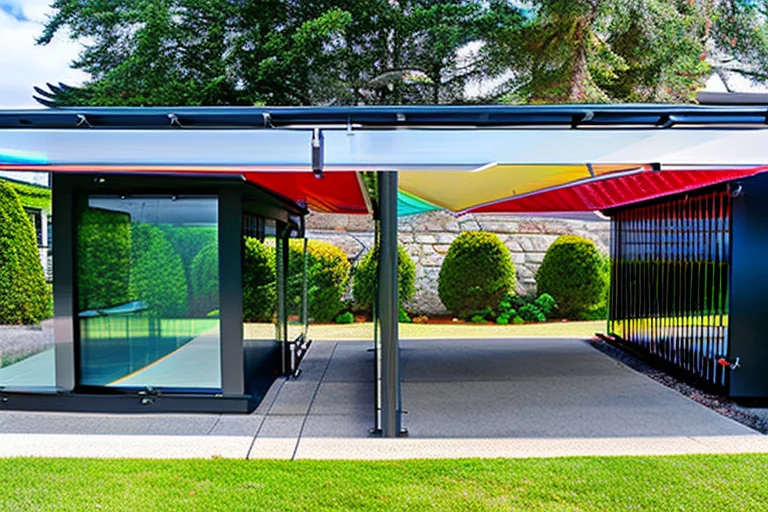
Color is where your personality can truly shine. Polycarbonate panels come in a range of tints—clear, bronze, grey, opal, and even vibrant colors. A clear or light tint maintains a bright, open feel, while a bronze or grey tint can reduce glare and heat gain more significantly, adding a sophisticated, muted tone. The frame color is equally important. Matte black aluminum frames are hugely popular for a modern, sharp contrast, especially against lighter siding. White or bronze frames can blend more seamlessly for a subtler statement. To elevate your awning from daytime feature to evening masterpiece, integrate lighting. Recessed LED lights under the awning provide perfect, shadow-free illumination for your doorstep. For a dramatic effect, consider LED strip lighting along the inner frame or uplighting on supporting columns. This not only enhances safety and security but also extends the welcoming ambiance of your home well into the night.
Professional Installation for Lasting Performance
A stunning design is only as good as its installation. Proper installation is non-negotiable for safety, durability, and weather resistance. The process begins with a thorough assessment of your home’s exterior. Installers must locate wall studs or use appropriate masonry anchors to ensure the heavy-duty brackets are secured into solid structural material, not just siding or trim. The pitch, or slope, of the awning must be calculated precisely to ensure water and debris runoff away from your entrance. For gutter-style systems, integrating seamlessly with your existing roofline is crucial to prevent leaks. While a skilled DIYer can tackle some projects, the complexity of ensuring a watertight, structurally sound, and perfectly level installation often warrants professional expertise. If you’re considering a self-install, thorough preparation is key, and you can find detailed guidance in resources like a comprehensive step-by-step installation guide for beginners.
Maintaining Your Polycarbonate Statement Piece
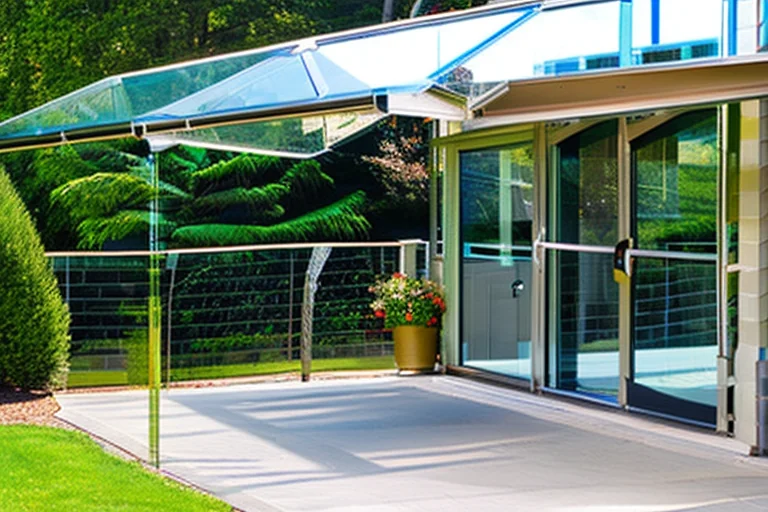
One of the greatest benefits of a polycarbonate awning is its remarkably easy maintenance. To keep it looking its best, a simple rinse with a garden hose every few months will wash away most dust and pollen. For more stubborn dirt, use a soft cloth or sponge with a mild soap solution (avoid abrasive cleaners or solvents) and rinse thoroughly. The smooth surface of polycarbonate prevents dirt from adhering easily. It’s also wise to visually inspect the awning seasonally, especially after major storms. Check the tightness of any fasteners and ensure the gutters and downspouts on integrated systems are clear of leaves and debris. This minimal routine will preserve the beauty and functionality of your investment for decades, ensuring your statement entrance continues to impress.
Beyond the Front Door: Other Applications for Statement Awnings
While the front entrance is the prime location, don’t overlook other areas where a statement awning can enhance your home. A covered side or back door leading to the garage or garden creates a functional mudroom transition space. Over a large patio slider or kitchen window, an awning can define an outdoor dining or lounging area, seamlessly extending your living space. For commercial properties, awnings over storefronts or office entries provide brand visibility, customer comfort, and architectural identity. The same principles of durable materials, thoughtful design, and professional installation apply, turning any doorway into an opportunity for improved aesthetics and utility.
Ready to transform your home’s first impression? The journey to a stunning, durable entrance begins with exploring your options. Browse our complete polycarbonate awning collection to see the range of styles and colors available, and contact our awning experts today for personalized advice or to schedule a consultation. Let’s build an entrance that truly makes your statement.