
Let’s be honest: when you invest in improving your home or business, you’re not just buying a product for today. You’re making a decision for the next decade, or even longer. The last thing you want is to install a beautiful new awning only to find it’s obsolete in a few years because your needs changed. That’s where the concept of future-proofing comes in, and for outdoor structures like awnings, the key lies in choosing expandable solutions. Think of it not as a static purchase, but as the foundation for a flexible outdoor living system that can evolve with your life—whether that means extending coverage for a new patio set, creating a connected walkway, or simply having the option to relocate the structure if you rearrange your yard. As an installer, I’ve seen the relief on clients’ faces when they realize their initial investment can adapt without starting from scratch. This guide will walk you through exactly how to select polycarbonate awning systems designed for the long haul.
Why “Future-Proof” Matters for Your Awning Investment
An awning is a significant investment in comfort, property value, and energy efficiency. A future-proof approach shifts your mindset from a one-time fix to a strategic, long-term solution. Life is unpredictable. You might decide to build an outdoor kitchen next year, your family might grow, or you may simply develop a deeper love for entertaining and need more shaded space. A fixed, non-expandable awning locks you into a single configuration. If you need more coverage, you’re looking at a completely new, separate installation, which often costs more and can look piecemeal. Expandable, or modular, systems are designed with connection points and standardized components. This means adding another bay or extending the length is a straightforward process, often using the same robust materials and matching aesthetics perfectly. It protects your investment from obsolescence and gives you peace of mind, knowing your outdoor space can grow as your vision for it does.
The Core Components of an Expandable Polycarbonate System
Not all awnings are created equal when it comes to expansion potential. True future-proofing is baked into the design and material choices from the start. Here are the critical components to scrutinize.
1. The Framework: Aluminum’s Role in Modularity
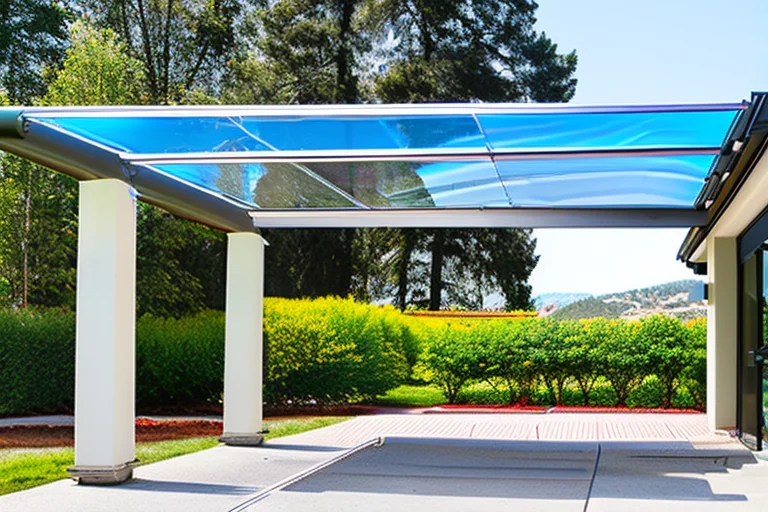
The skeleton of your awning is its frame, and for expandability, aluminum is the undisputed champion. Its combination of strength, light weight, and resistance to corrosion is essential. Look for systems with extruded aluminum profiles that feature pre-drilled, standardized connection points. These allow additional rafters or support arms to be bolted on seamlessly. The finish is also crucial; a high-quality powder-coated finish will ensure that new pieces added years later will match the color and wear of the original installation perfectly, maintaining a cohesive look. When considering durable gutter-mounted options, pay close attention to the design of the mounting brackets and header bar, as these must be engineered to handle the potential additional load and span of an expanded system.
2. The Roof: Polycarbonate Panels for Seamless Integration
Polycarbonate panels are the ideal companion to an aluminum frame for an expandable system. Their modular nature is a perfect fit. Multi-wall polycarbonate sheets come in standard widths and lengths, making it simple to add more panels in line with existing ones. Their clarity and light-diffusing properties remain consistent, so an addition won’t look or feel different from the original structure. Furthermore, polycarbonate’s incredible impact resistance and UV protection mean the new panels will have the same longevity as the old, avoiding a mismatch in performance over time. The key is ensuring the panel retention system—usually aluminum snap-on caps or rubber gaskets—is designed to be easily removed and reinstalled to accommodate new panels.
3. The Hardware: Planning for Expansion from Day One
This is where many off-the-shelf kits fall short. The hardware for a future-proof system must be over-engineered for its initial application. This includes using heavier-gauge bolts, larger mounting plates, and more substantial anchor points. The thinking is simple: the initial mounting point on your home’s fascia or gutter must be strong enough to support not just the awning you install today, but the awning you might add onto tomorrow. During the initial installation, an expert will assess the structure and may install reinforcement or use mounting hardware rated for a load well beyond the immediate need. This proactive step is what truly separates a temporary cover from a permanent, expandable asset.
Installation: Laying the Groundwork for Future Growth
Proper installation is the most critical step in enabling future expansion. Even the best-designed system will fail if the initial setup doesn’t account for what’s to come. The first rule is precise planning and measurement. You must decide not just on the size you need now, but also consider the logical direction for potential growth. For instance, if you might extend the awning to the right in the future, ensure that the framing on that end is configured with a removable end cap or is ready to accept a connecting piece, rather than being permanently closed off. It’s also wise to discuss with your installer or carefully review detailed planning guides if you’re tackling it yourself, to understand load paths and spacing. Leaving access to connection points and avoiding permanently sealing components will make the next phase a simple upgrade rather than a major renovation.
Maintenance and Care for Long-Term Adaptability
A system that’s easy to maintain is inherently more future-proof. The good news is that polycarbonate and aluminum are famously low-maintenance. For polycarbonate panels, simple cleaning with mild soap and water keeps them clear and prevents dirt buildup that could stain over time. It’s important to avoid abrasive cleaners that could scratch the surface. For the aluminum frame, an occasional rinse is usually sufficient. The real maintenance tip for expandability is organizational: keep a record of the specific product names, panel colors, and profile types you used. Manufacturers may update lines, so having the original information makes sourcing matching parts for an expansion years down the line infinitely easier. Store any leftover hardware or a small sample of a panel cut-off in your garage—this can be a lifesaver for ensuring a perfect match.
Applications: Where Expandable Solutions Shine
The beauty of a modular system is its versatility. In residential settings, think beyond the patio. A gutter-mounted awning can be extended to create a covered walkway from your house to a detached garage or garden shed. For businesses, the applications are even more compelling. A restaurant can start with coverage for a few outdoor tables and expand the awning as the patio seating becomes more popular. Car dealerships or service centers can use these systems to create adaptable covered display or work areas. The ability to reconfigure or enlarge coverage without a total teardown provides incredible operational flexibility and cost control over the years.
Making the Smart Choice for Tomorrow
Future-proofing your awning purchase is an exercise in smart foresight. It involves choosing high-quality, compatible materials like aluminum and polycarbonate, insisting on robust hardware and installation, and always keeping an eye on the potential of your outdoor space. By investing in an expandable solution, you’re not just buying shade for this summer; you’re purchasing the flexibility to enhance your property’s functionality and enjoyment for many summers to come. The initial cost may be slightly higher than a basic, fixed option, but the long-term value, avoided replacement costs, and preserved aesthetic coherence make it the wisest choice for any homeowner or business owner looking ahead.
Ready to build an outdoor space that grows with you? The journey starts with the right foundation. Browse Our Complete Polycarbonate Awning Collection to explore modular systems designed for longevity, or speak directly with our team to get tailored advice. Contact Our Awning Experts Today for a free consultation to plan a solution that fits your current needs and your future vision.